

External Door Maintenance Jobs to Tackle Before Autumn Sets In
As summer fades and autumn’s chill starts to creep in, it’s time to give your external doors a little TLC. A few simple external door maintenance tasks can help keep them looking great, operating smoothly and keep those draughts out all winter long.
In this post we’ll cover everything from wooden front and back doors, composite and uPVC doors to aluminium patio doors, so you can slide into the colder months with confidence.
Prevent rather than cure is our motto and by inspecting, cleaning and fixing up your doors now, you’ll prevent small issues from becoming much bigger problems later. Proper door maintenance before the weather turns will help keep out cold draughts, leaks and protects your doors from damp and damage so they look and perform at their best for as long as possible.
So, let’s put on our door expert hats and get started with the checklist!
Wooden Front and Back Doors
Wooden exterior doors, whether made from oak or other hardwoods, are beautiful and sturdy, but they do need seasonal care to remain at their best (don’t we all!).
Here’s a few things you can do to make sure your wooden door is fighting fit for autumn:
Inspect and Repair the Finish
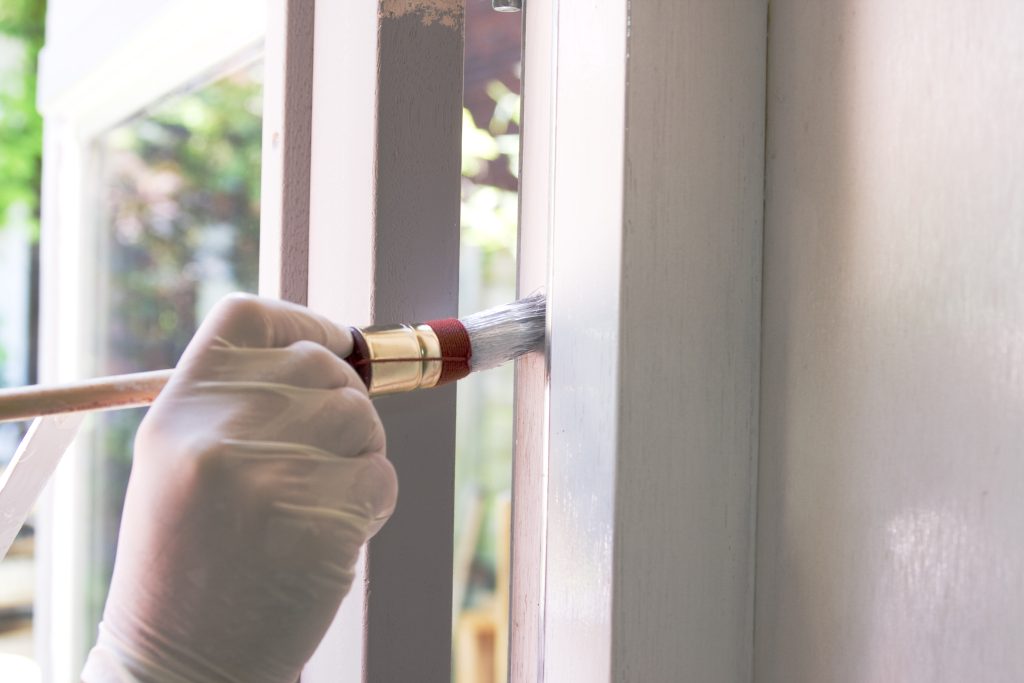
Check your door’s paint or varnish for cracks, peeling or bubbles. These are signs the protective finish is failing, which can let moisture permeate the wood. If you spot any trouble areas, touch up or repaint/varnish promptly to seal the wood before the wet weather arrives.
A well-sealed door will resist warping, swelling and rot. For varnished doors, we recommend adding a fresh coat of varnish every 1-2 years or at the first sign of wear to keep the wood protected.
Clean and Polish the Door Surface
If the finish is all good, give the door a good cleaning to remove summer dust and grime. Use a soft cloth or sponge with mild soapy water and gently wipe the door down, but avoid soaking the wood.
Once it’s clean and dry, consider applying a quality polish or wax. If you have a natural finish rather than painted, polishing helps nourish the wood and revive the shine, but be sure to fix any rough spots or splits in the wood grain before polishing. Regular cleaning (about once a month in harsh weather) will prevent dirt buildup and will keep that all important kerb appeal going strong.
Check for Swelling or Sticking
As humidity rises or temperatures drop, wooden doors can swell or shrink. This is perfectly normal, but you don’t want it to cause any long term issues.
Open and close the door a few times to make sure it isn’t sticking in the frame. If it’s rubbing at the top or sides, you might need to gently sand those areas and re-seal them with paint or varnish. Always seal any bare wood immediately after trimming to keep moisture out, this is especially important for softwood external doors as they’re more porous. In serious cases of warping, you may need to consult a professional, but a little adjustment now can save you from a door that completely jams on a freezing winter day.
Inspect Weatherstripping and Seals
Weatherstripping is rubber foam material that goes around the door or frame that creates a seal when the door is closed. Some doors will also have a sweep on the bottom, examine the condition of these strips – are they flattened, brittle, cracked or missing pieces? Worn weatherstripping won’t stop draughts effectively, so replace anything that looks past its prime.
Tip: An easy way to test your seals is the candle flame test. Hold a lit candle near the edges of the closed door (carefully). If the flame flickers, a draft is sneaking in! New weatherstripping will help keep that chilly air out and your heating bills down.
Lubricate Hinges and Locks
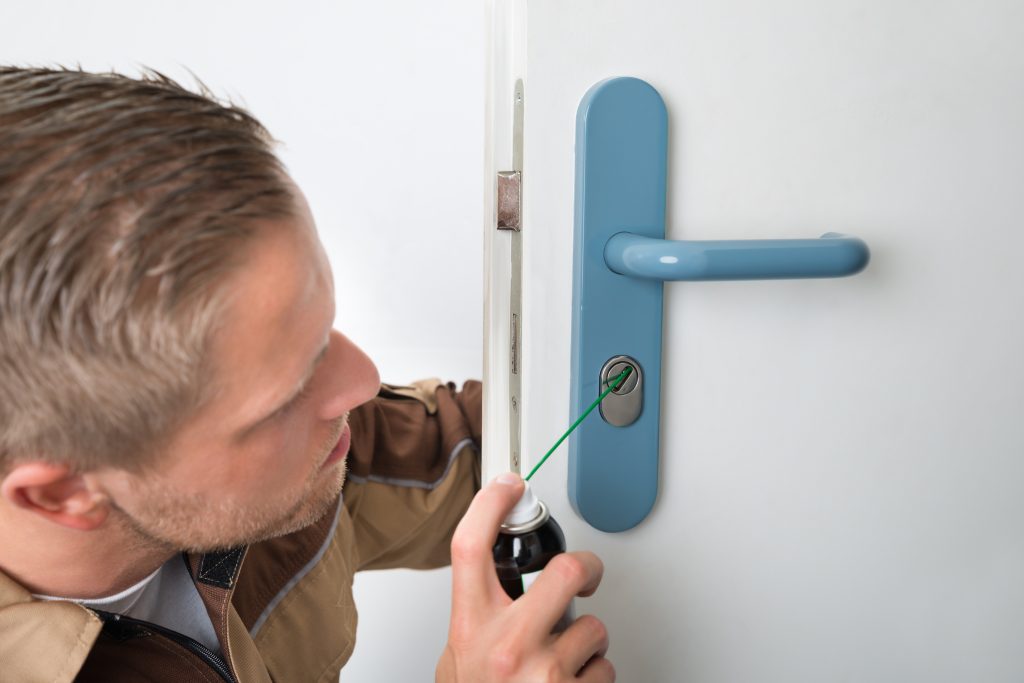
After the heat of summer, your door’s hinges, locks and latches might be a bit dry or even squeaky. Apply a silicone lubricant to all moving metal parts. Just a few drops are needed on each hinge pin, into the keyhole and on the latch bolt.
Avoid using thick grease and skip solvents like regular WD-40 for this job. Silicone lubricants such as Tableau Dry Lube are ideal because they won’t attract dust or dirt and they prevent rust on metal parts. Lubricating now will make sure your wooden door opens smoothly and won’t wake the whole house with spooky creaks on cold nights!
Check the Door Frame and Threshold
Look over the door frame and the threshold. Make sure the caulking around the frame is intact, if you see gaps between the door frame and the wall, seal them with exterior caulk to stop drafts and moisture.
Wipe the threshold clean and make sure it’s screwed down tight and sitting flush so the door sweep seals against it. A sturdy, sealed frame and threshold helps your wooden door keep cold weather and pests outside where they belong.
By tackling these smaller maintenance jobs, your wooden front and back doors will be prepped and ready to handle all of the rain, wind and temperature swings you’d expect from the British weather. They’ll not only keep your home cosy and dry, but also keep your door looking its best to welcome guests with that warm, polished finish.
How often should I repaint or refinish my exterior wooden door?
It depends on the climate where you are and the door’s exposure to harsh weather, but a general rule of thumb is to inspect your door’s finish every year and be ready to recoat it every 2-3 years for paint or even annually to biannually for clear varnish, if needed.
Look for signs like peeling or fading paint, or a dulled/thin varnish. If you see those, it’s time for a fresh coat. The bottom line? Keep an eye on your door. With high-quality paint/varnish and proper prep, you might get a longer stretch between refinish jobs, but never let the finish deteriorate to bare wood. A well-maintained finish not only keeps your door looking gorgeous but also protects the wood from rot, warping and weather damage so it could be a lot cheaper for you in the long run.
Composite and uPVC Doors
Composite doors and uPVC doors are popular for being low-maintenance and weather-resistant… but that doesn’t mean no maintenance at all. Before autumn, give these thoroughly modern doors a quick once-over using our checklist:
Wash Off Summer Dirt
Both composite and uPVC doors can accumulate dust, pollen and lots of other dirt over the summer months. To start, give the door (and its frame) a gentle clean with warm soapy water and a soft cloth. Avoid abrasive cleaners or scouring pads that could scratch the finish – these doors generally have a tough outer skin (GRP on composites, durable vinyl on uPVC) that only needs a light cleaning to look like new.
For any stubborn marks, use a mild detergent solution, avoid harsh solvent-based chemicals as generally they’re unnecessary and may dull the finish of the door. A quick wipe-down every now and then keeps the door’s colour bright and prevents grime from building up.
Can I use a pressure washer on my composite door?
Short answer: don’t. A pressure washer can drive water past seals, glazing gaskets and weep holes, soak timber edges that wouldn’t ordinarily get wet which can lead to swelling, and even dislodge trims on the door. It may also push grit more deeply into hinges and multipoint locks, shortening their life and in some cases, may even void warranties.
Absolutely avoid directing high-pressure jets on thresholds, letterplates, cylinders, hinges or glazing beads. If you do want to use a jet washer, keep to the lowest setting with a wide fan, stand 1-2m back and never dwell on one area for too long, especially seals. Once finished, it’s imperative you re-lube hardware with silicone/PTFE.
Inspect and Clean the Seals
Modern composite and uPVC doors have rubber or foam weather seals around both the frame and the door. Check these seals for any signs of damage or detachment. Even though composite/uPVC doors are designed to seal tightly, a torn or shrunken seal will leave space for a pesky draught to get through and the door won’t perform anywhere near as efficiently as it should.
Wipe along the seals with a damp cloth to remove dust and make sure they’re not cracked or brittle. If you find damage, arrange for a replacement seal, it’s really important this is done for keeping your home insulated and dry. The good news is composite doors usually have integrated moisture barriers and quality seals that handle British weather well, so just make sure they’re intact going into winter.
Clear Debris from Thresholds and Tracks
Leaves, mud and debris can pile up around your door sill (and in any drainage channels the door frame might have). In autumn, clear out any gunk from the door threshold and drain holes so rainwater can flow out and not seep into your home.
Simply use a small wire brush or cloth to remove dirt from the sill. Keeping this area clean also prevents nasty buildup that could interfere with the door closing properly. This is especially relevant for uPVC/composite doors that often have built-in drainage systems at the bottom – make sure those little drain slots aren’t clogged by leaves.
Lubricate Hinges, Locks and Handles
While composite and uPVC doors won’t warp like wooden doors can, their hardware still needs some love. Spray a bit of silicone lubricant on the hinges and into the lock mechanism to keep everything moving smoothly. If the door has a multipoint locking system, operate it a few times while lubricating to reach all of the moving bits.
As mentioned before, steer clear of heavy oil-based lubricants and solvents that can attract dust. A silicone or PTFE spray is best for these precision parts. Also check that all screws on hinges, handles and strike plates are snug and tighten any that are loose. Your composite/uPVC door will then open, close, lock and unlock with ease, even on frosty mornings.
Protect the Finish – No Painting Needed!
One great thing about composite and uPVC doors is that you don’t need to repaint or refinish them, in fact, you shouldn’t. They come with a factory-coated colour/finish that is made to last for years without fading or peeling.
Painting over it could actually ruin the protective layer and may even void your warranty. So, instead of paint, just keep the door clean and if it’s looking a bit dull, a simple polish with a soft cloth after washing can restore its shine. With minimal effort, your composite or uPVC door will continue to look as vibrant as the day it was installed, all through the autumn months and beyond.
Hopefully, by following these steps, your composite or uPVC door will remain secure, smooth-operating and well-sealed through autumn’s wind and rain, and on through the frosty months. These doors don’t ask for much, just a little cleaning and a quick check of seals and screws is all they need to make sure they keep doing their job (and looking good doing it) with virtually no fuss.
Aluminium Patio Doors (Sliding Glass & French Doors)
Aluminium patio doors are perfect for connecting your cosy interior to the great outdoors, you just need to make sure they’re ready for increased wind, rain and maybe the odd autumn leaf pile against them!
Whether you have a sliding glass patio door or aluminium French doors, add these tasks to your autumn door maintenance checklist:
Clean Out Sliding Door Tracks
If you have a sliding patio door, start by clearing the door track. Over the summer, dirt, leaves, pet hair and bugs can settle in the lower track where the door slides. Use a vacuum (or a brush and dustpan) to remove all that debris from the tracks on both the inside and outside runs.
Then, wipe the tracks down with a nonabrasive cleaner or warm soapy water to get any stuck grime off. Clean tracks reduce friction and help prevent your door’s rollers from wearing out prematurely.
Lubricate Tracks and Hardware
Once the sliding door tracks are clean and dry, apply a silicone-based lubricant along the entire length of the track. Open and close the door a few times to help distribute the lubricant evenly, you should immediately notice a smoother glide. Silicone spray is ideal here because it lubricates without leaving a sticky residue that would attract more dirt.
Also spray a little directly into the roller mechanisms if possible, and on the door’s lock or latch. For hinged French patio doors, add a little lubricant to the hinges and locking bolts (if it’s a double door) similar to your other doors.
Even if you have uPVC or wooden patio doors, you can follow these same guidelines. A well-lubricated patio door not only feels nicer to use but also prevents strain on the handle and lock.
Inspect Weatherstripping and Seals
Just like your front door, patio doors have seals. Sliding ones often have brush-type or rubber gaskets along the edges, and French doors have compression seals where the two doors meet and around the frame. Check these for wear or gaps.
Make sure the sliding door’s vertical seal (often a rubber strip that the door closes against) is not torn. On French doors, examine the astragal (the middle piece on the inactive door) to see that its weatherstrip is in good shape. Replace any worn-out seals so that when closed, your patio door is as draught-proof as your front door. This will keep that nippy autumn breeze from sneaking into your living room uninvited.
Test Door Alignment and Operation
An often overlooked step, make sure the patio door panels are properly aligned and closing securely. Sliding doors should slide almost effortlessly, without scraping on the track or frame. If you feel resistance or notice gaps when it’s closed, the door might have gone slightly off-kilter.
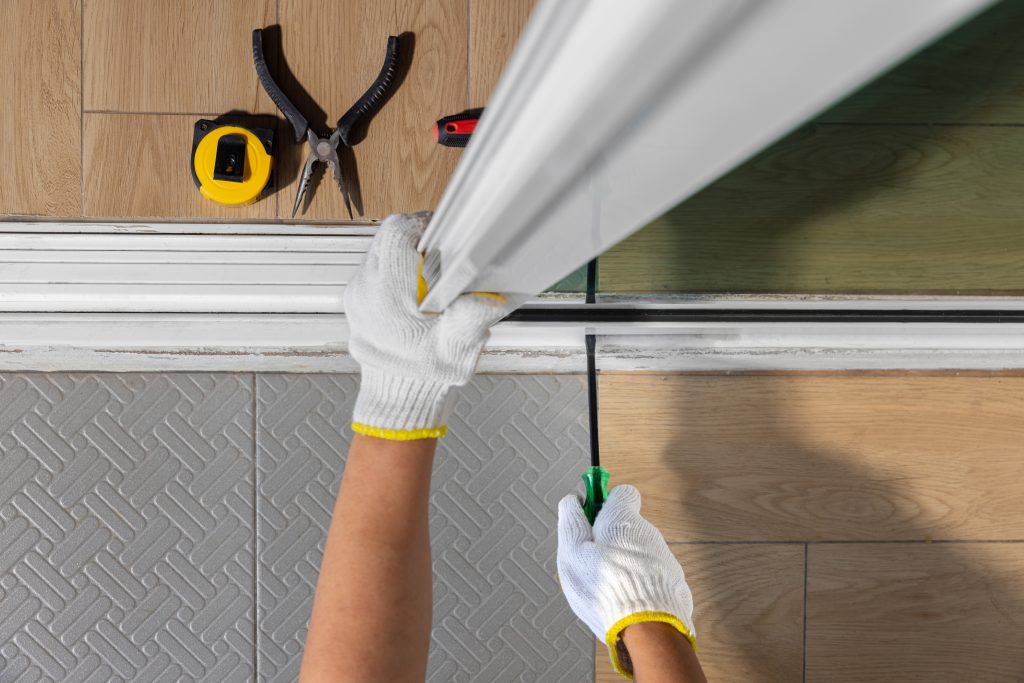
Most sliding doors have adjustment screws on the rollers, you can turn these to raise or lower the door at each end until it hangs straight and slides smoothly. French doors should both meet evenly in the middle. If the top or bottom is misaligned, adjust the hinges or the strike plate. Temperature changes can cause doors to shift or sag a bit too, so a quick adjustment now ensures no cold gaps that could be troublesome later. Always double-check that the locks engage correctly after any adjustments.
Clean the Glass and Frame
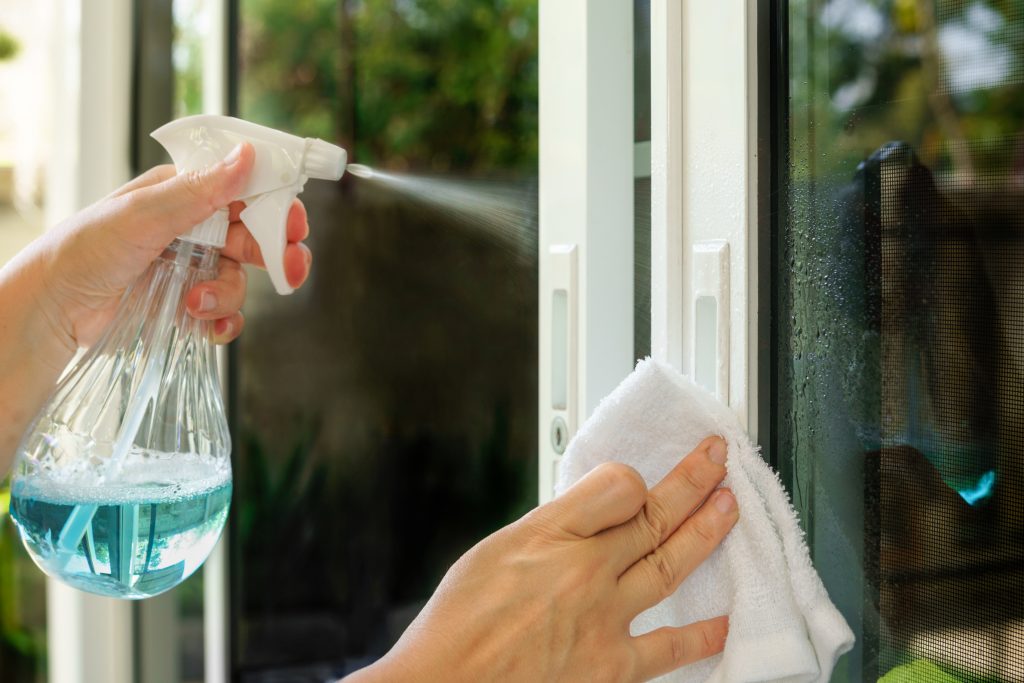
Finally, give those big glass panes a cleaning so you can enjoy the autumn colours outside! Use a standard glass cleaner or vinegar solution on the glass, and wipe the door frame (inside and out) with a damp cloth. While cleaning, check for any minor issues such as condensation between panes in double glazed glass as this could indicate a failed seal and the glazing won’t be performing as well as it could. Also check closely for any small cracks, especially in older wooden frames. Generally, cleaning is cosmetic, but a crystal-clear patio door can really lift the mood on gloomy winter days. Plus, it’s easier to spot any issues on a clean door.
With these steps, your patio doors will be gliding or swinging open freely, locking securely and holding back that rubbish weather. Whether you’re stepping out to enjoy your autumn garden or watching the rain from inside, you’ll be glad your patio doors are in tip-top shape.
What’s the right way to care for the powder-coated finish?
For the most part, you’d clean them the same as any other finish – wash with warm, soapy water (using a pH-neutral detergent) and a soft cloth, then rinse and dry. Do this quarterly (or monthly if you’re in more urban/coastal areas).
Be sure to soften and lift any bird droppings as soon as you notice them. Do this with a wet cloth, don’t be tempted to scrub them dry, as the alkalinity can etch the coating. Avoid anything abrasive or harsh, so no scouring pads, cream cleansers, solvents, brick acid, TFR or pressure washers. Once cleaned, a light application of a non-abrasive automotive sealant/wax every 6-12 months can also help repel dirt and make future cleans quicker.
For small chips, clean and dry the area then very lightly key the damaged edge with very fine paper, wipe with isopropyl or a mild degreaser, then touch in with colour-matched paint in thin coats, allowing each to cure before applying a new one.
If bare aluminium is exposed, use a compatible etch/primer first. For larger areas of damage or corrosion, it’s best to call a pro for a proper refinish, especially if your aluminium doors are still under warranty.
Be sure to keep weep holes clear and keep note of your clean dates – regular maintenance may be required for finish warranties, especially in coastal locations.
By following this pre-autumn maintenance checklist for wooden, composite, uPVC and aluminium doors, you can rest assured your home’s entryways are secure, efficient and ready for whatever Mother Nature throws at them.
A little preventative maintenance now means you can cosy up inside later on without having to worry about swollen doors, cold draughts or other door-related dilemmas. So grab that screwdriver and cloth, and show your doors some love and they’ll return the favour with smooth openings and a warm welcome all season long. Stay warm and we hope you enjoy the autumn vibes, especially knowing your doors are in tip-top shape!
Have an issue with your exterior doors? No problem! Our team of door experts are on hand to help, just give us a call.
PLEASE NOTE: We are not associated with any brands mentioned, we always recommend doing your own product research to find which best fits your needs.