 Order Helpline:
 Search
 Email
Email Cart (0)


Which Internal Doors Add the Most Value to a UK Home?
When people think about adding value to their home, internal doors very rarely top the list. Kitchens, bathrooms and flooring are usually the ones getting all the attention. But the reality is that doors have a huge influence on how a property feels day to day… and that affects how potential buyers feel the moment they walk through the door.
Well-chosen internal doors can make a home feel brighter, quieter, more modern and more thoughtfully finished. They help create connection from room to room, improve usability and they subtly signal to a buyer that the property has been well cared for.
And while replacing internal doors probably won’t add thousands to your asking price overnight, it CAN increase perceived value significantly, which is often what helps homes sell faster and more confidently in the first place.
Estate agents and interior experts regularly point to quality finishes, improving natural light and being more consistent throughout the home as features buyers respond strongly to… all of which internal doors play a huge role in.
So, which internal doors actually add the most value to a UK home? And is the additional cost of upgrading internal doors worth it? Let’s break it down.
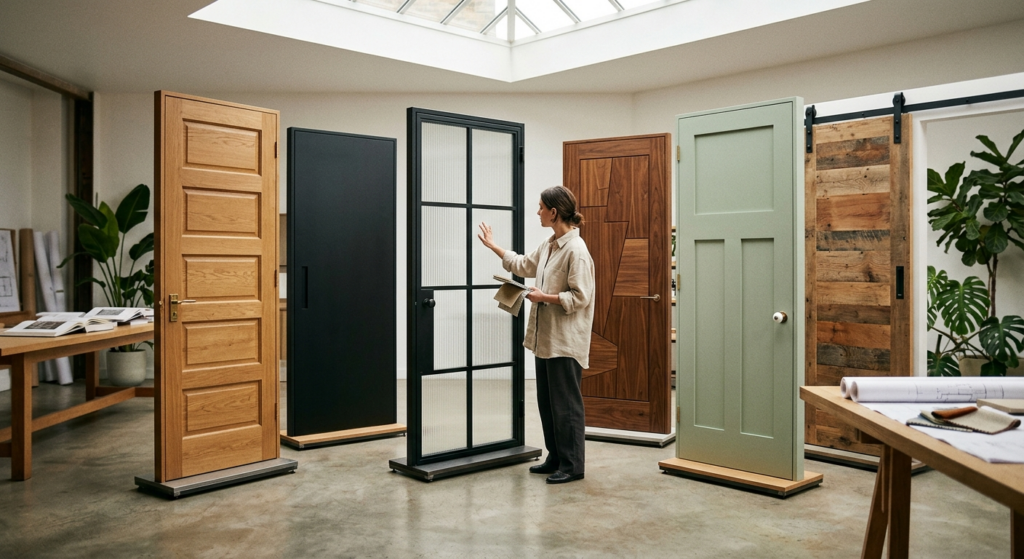
Solid Core Doors: The Upgrade Buyers Notice Without Realising Why
If there’s one change that instantly makes a home feel more premium, it’s replacing lightweight hollow doors with solid core alternatives.
While hollow core doors definitely have their place, solid core doors (oak, ash and walnut doors remain firm favourites) feels heavier, closes more smoothly, retains heat and reduces sound transfer far more effectively than budget hollow-core options do. Those differences might seem subtle on paper, but in practice they can change how the whole property feels.
It’s one of those upgrades buyers often can’t immediately identify, but they absolutely notice.
Solid core doors also tend to:
- Feel more substantial and durable
- Reduce noise between rooms
- Offer better long-term stability
- Create a quieter, calmer feel throughout the home
In family homes especially, the natural sound reduction they provide is a bigger selling point than many people realise. Bedrooms feel more private, home offices work better and the entire property feels more solid and better built.
For homeowners looking for long-term value rather than just cosmetic improvement, solid core doors are usually the best starting point.
Are solid core doors worth the extra money?
For many homeowners, yes definitely. Solid core doors are a practical choice for busy households, as they’re more durable, offer better sound insulation, and generally feel much more substantial than hollow core doors. If your budget can stretch, they also tend to perform better long-term, especially in environments with frequent foot traffic, pets or young children, so even though they cost more initially, you’ll likely get a lot more out of them.
How much does it cost to fit an internal door in the UK?
In the UK, the average cost for a professional to fit a standard internal door is typically between £70 and £150 per door, depending on the type of door, the location and how much adjustment is needed. On top of that, the cost of internal doors in the UK can vary significantly, with basic hollow core doors starting around £30 and solid hardwood doors exceeding £300, so it’s important to weigh up your options.
If you’re including the cost of the door itself, you can expect to spend around:
- £125 – £400 per door supplied and fitted for standard internal doors
- £200 – £350+ for glazed or heavier solid core doors
- £150 – £250 labour alone for fire doors because they need more precise fitting and compliant hardware, they’re also thicker and heavier than standard doors so there may need to be more adjustments.
There are a few things that can affect the final price, these are the main things to consider:
- Whether the existing door frame can be reused
- How much trimming is needed
- Solid core vs hollow core weight
- Fire door requirements
- New handles, hinges or latches
- Whether old doors need removing/disposal
- Regional labour rates (London is usually higher)
So, as a rough guide, a straightforward like-for-like door swap into an existing frame is often at the lower end. Whereas installing heavier oak, glazed or fire-rated doors tends to sit at the higher end because they take longer to align and fit properly. Most competent joiners can hang a standard internal door in around 1 to 3 hours, assuming the frame is in good condition.
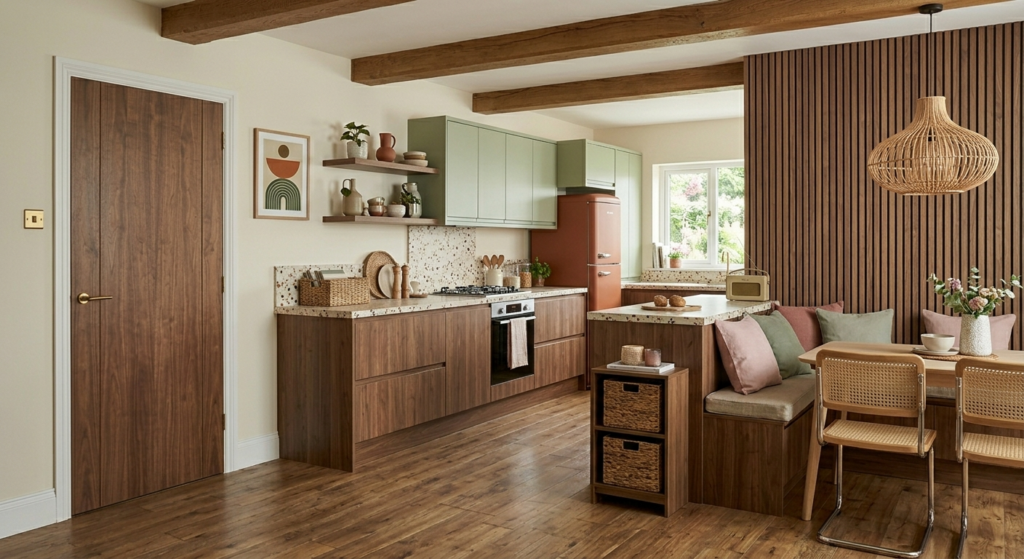
Prefinished Doors: A Cleaner, More Consistent Finish
Prefinished doors have become an increasingly popular choice in UK homes and it’s easy to see why.
Unlike unfinished doors or primed doors, prefinished doors arrive factory-finished and ready to install. That standardised finish means you get a much more consistent appearance across multiple rooms, particularly with real wood veneers or painted finishes where colour variation can otherwise become quite noticeable if finishing on-site.
From a value perspective, this matters because consistency is one of the key things that makes a home feel properly finished.
They also remove a lot of hassle too, because you don’t have to do any painting or staining, it means much faster installation, thus keeping the time needed for a renovation job to a minimum.
A property with mismatched finishes or poorly painted doors can quickly feel patchy, even after expensive renovations elsewhere. Prefinished doors avoid that problem entirely.
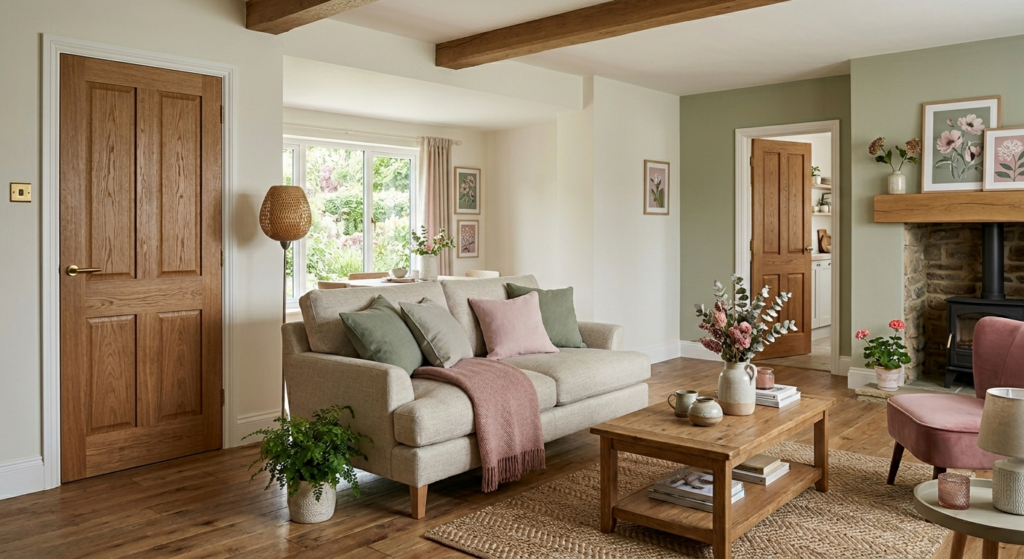
Oak Internal Doors: Still One of the Safest Investments
From an interior design perspective, oak internal doors continue to be one of the most popular upgrades in UK homes because they sit comfortably between traditional and modern interiors.
They work just as nicely in period terraces as they do in semi-detached family homes and new-build upgrades, but more importantly, they age really well.
Unlike heavily trend-led finishes, oak tends to hold its appeal over time because it’s great for adding warmth and texture without being too dominant. Engineered oak doors also offer much better stability than older solid timber designs, which helps reduce movement and warping over time, meaning they’ll last even longer.
For many buyers, oak doors subconsciously signal:
- Better build quality
- Higher specification finishes
- Long-term durability
- A more considered renovation
That’s exactly the kind of perceived value that helps raise an entire property.
Are oak internal doors still in style?
Yes, absolutely! Oak internal doors are a really versatile choice as they suit a wide range of interior styles, making them one of the most popular options in UK homes. Their natural warmth and seemingly effortless good looks mean they tend to age better than trend-led finishes too. That said, we do see a shift in the style of oak doors being chosen, but the wood itself remains as popular as ever.
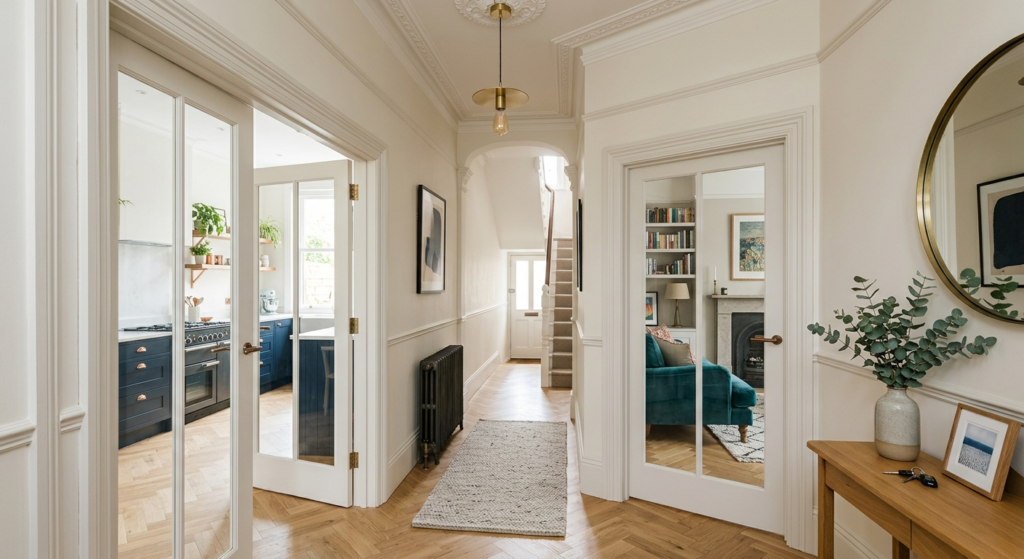
White Primed Doors: A Versatile Upgrade
While oak doors often feel more premium, white internal doors are arguably the safest option for broad buyer appeal.
Modern white primed doors work particularly well because they:
- Brighten darker rooms and hallways
- Make spaces feel larger
- Suit almost any decor style
- Create a clean, updated appearance
For homeowners preparing to sell in the not too distant future, these things really matter.
Neutral interiors consistently perform better with buyers because they allow people to imagine themselves in the space more easily, you’re essentially giving them a blank canvas to envisage themselves living there. A clean white shaker door or contemporary flush design tends to feel fresh without feeling overly personal or trend-led.
This is especially effective in new-build homes, smaller properties, flats and starter homes, and more linear homes such as terraces which can have limited natural light.
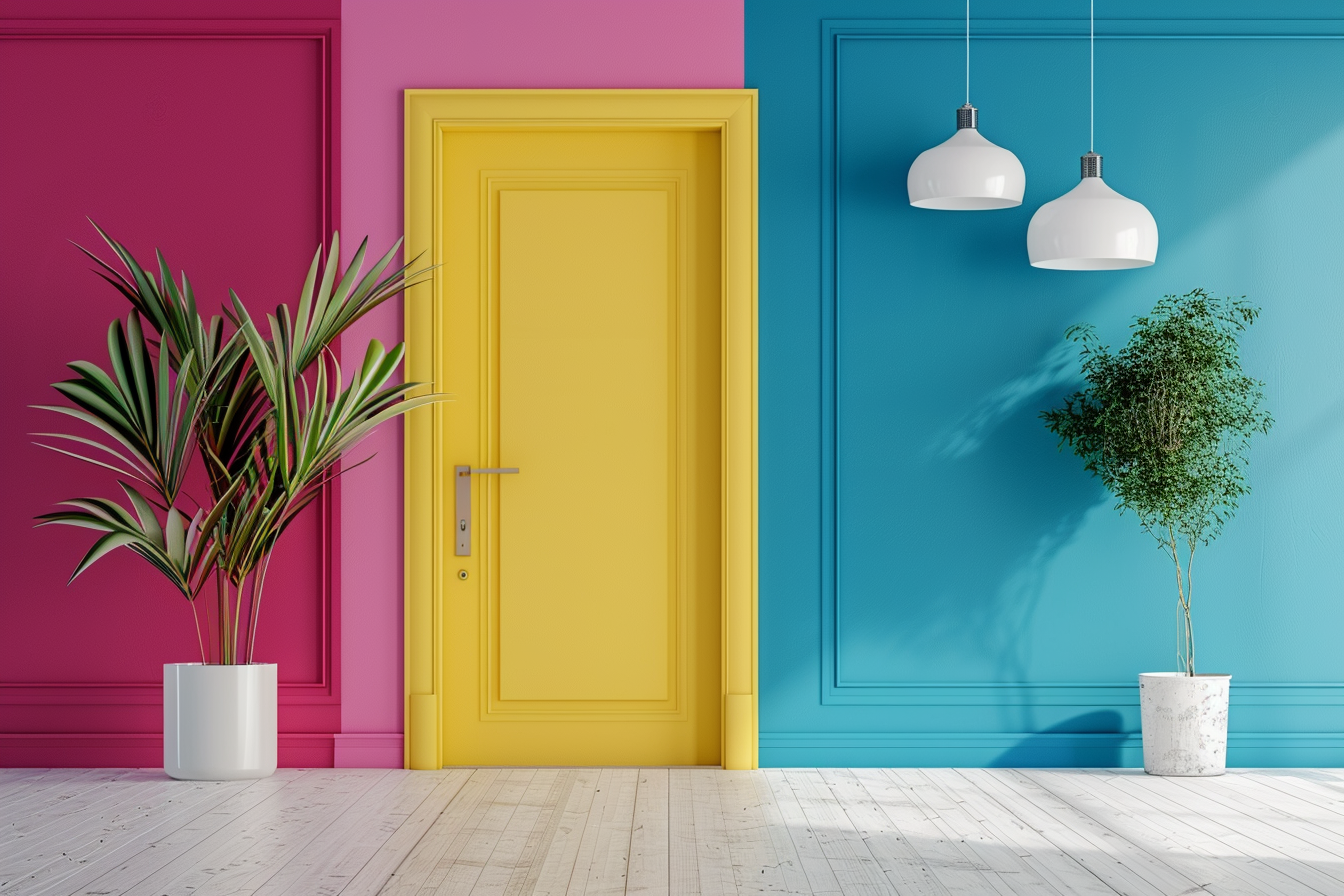
The other great thing about white primed doors is that half the prep work is done for you if you’d prefer to add a colour to your doors. The factory painted finish can often make for a better overall finish when compared to doors that are primed on site. This leans nicely into what we’ve mentioned before about creating a more consistent and considered look.
Glazed Internal Doors: One of the Biggest Perceived Value Upgrades
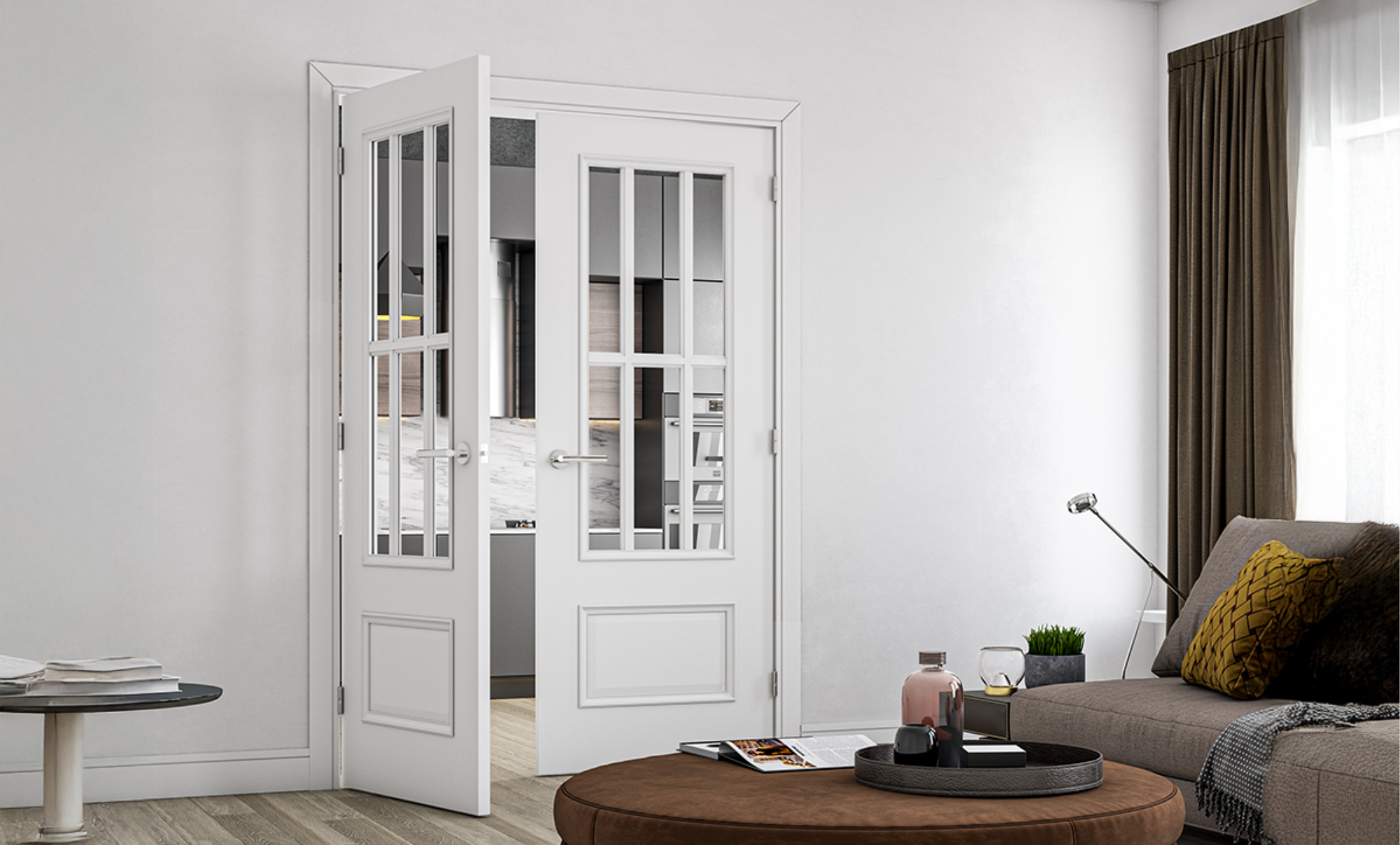
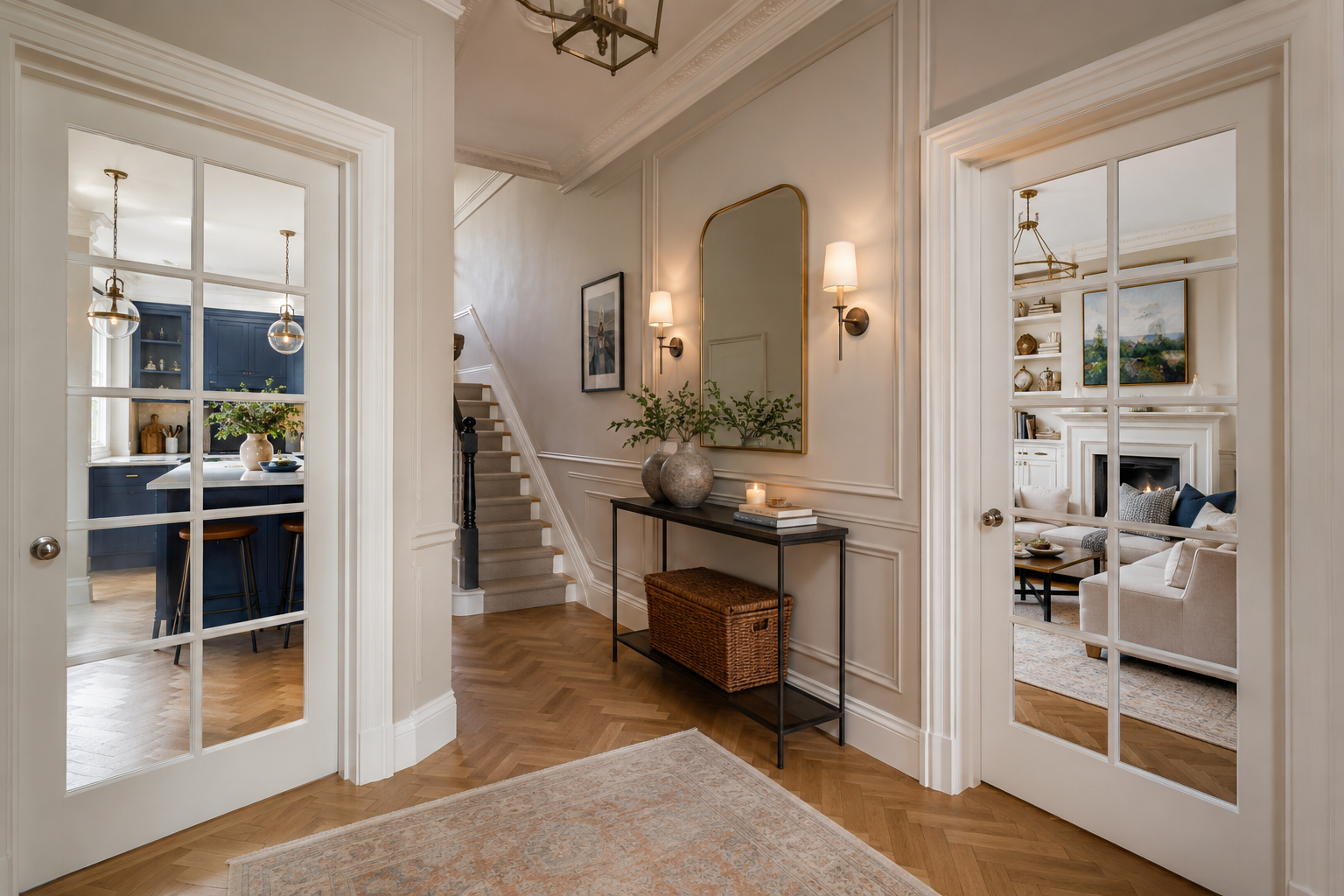
Glazed internal doors are becoming increasingly popular as homeowners look for ways to improve natural light without structural changes. If you want a home to feel brighter and more expensive without major structural work and white doors aren’t quite cutting it, then glazed internal doors are one of the smartest upgrades you can do.
Typically glazed doors feature one or more glass panels in either clear, frosted or decorative glass, providing varying levels of privacy while still making spaces feel brighter and more open. The inclusion of glass panels allows light to travel deeper into the property, helping spaces feel more open, larger, better connected and more modern. That extra light can make a noticeable difference in how a room feels as well as adding another visual element to your interiors.
They’re particularly valuable in UK homes where hallways and landings often lack natural light. The last thing you want is for a potential buyer to feel “boxed in” in those parts of the house.
We’ve found the most popular choices for glazed interior doors are:
- Clear glazed shaker doors
- Industrial-style black glazed doors
- Room divider systems
- Frosted glazed doors for privacy-sensitive spaces
Open-plan living remains popular, but many homeowners now want flexibility rather than completely open spaces. Glazed doors strike that balance nicely by separating rooms without making them feel too closed off.
That combination of practicality and design is exactly what creates perceived value.
Do glazed internal doors make a house look bigger?
Glazed internal doors can definitely make a home feel larger and brighter by allowing light to move between rooms. They’re a cost-effective way to improve space and light, particularly effective in darker hallways, smaller homes and open-plan layouts where light flow is important but can be minimal.
Industrial-Style & Heritage Glazed Doors
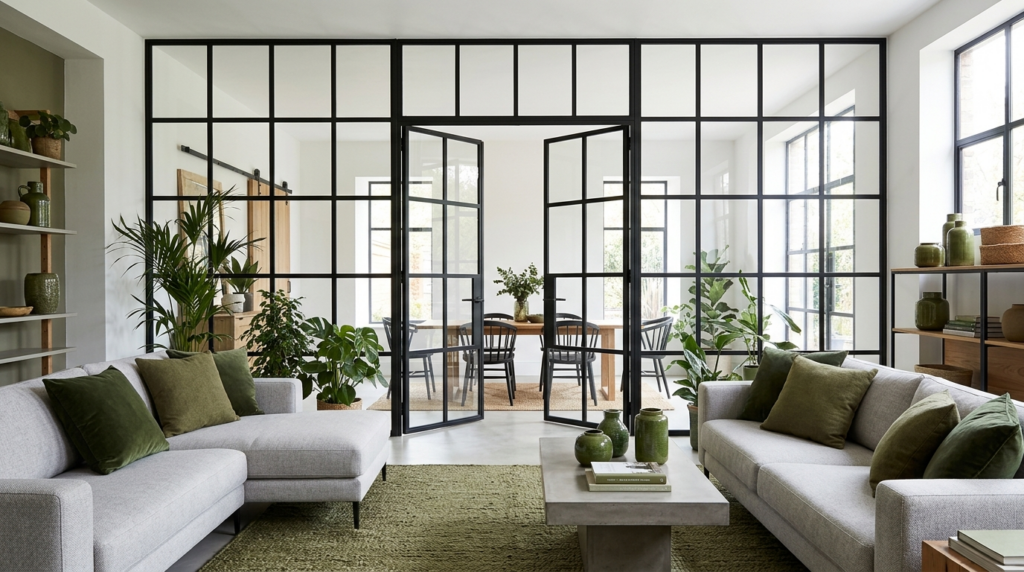
Few internal door styles have grown in popularity faster over the last few years than industrial-style glazed doors. Crittall-style black metal frames are a major trend in premium UK renovations, subtly signaling architect-designed luxury, they’ve become especially desirable in:
- Extensions
- Kitchen diners
- Home offices
- Renovated period properties
Black doors in particular are a bold, modern design choice that can add contrast and depth to a space. They work especially well in more contemporary homes with clean-lined interiors and open-plan layouts.
As we mentioned before, part of their appeal comes from the fact they look architectural rather than decorative. Even a relatively simple room can feel more intentional and design-led with the right glazed divider in place.
Importantly though, the best value comes from using these styles selectively.
One or two well-placed heritage or industrial-style doors can really lift a home. Filling every room with highly trend-driven designs can sometimes have the opposite effect. Keep it simple.
The sweet spot is usually a neutral overall design with one standout feature door while keeping things consistent elsewhere.
That said…
Matching Door Ranges Add More Value Than Statement Pieces
One of the biggest mistakes people make is treating internal doors as individual features instead of part of the wider home.
While we’re all for having a feature door in a particular part of your home, in reality, consistency is what creates the strongest sense of quality.
A coordinated range across bedrooms, bathrooms, living spaces and utility areas makes the whole property feel intentional and properly finished.
Many door manufacturers understand the value in design consistency, that’s why most door ranges these days are now offered with a variety of options so that every need could be met, whether you need a standard solid door, a glazed version, fire door or a bifolding option. Even relatively affordable doors can look significantly more expensive when the style, finish and ironmongery match throughout the home.
Buyers notice this immediately because it reduces the feeling that they’ll need to “redo everything” after moving in.
Fire Doors That Don’t Look Like Fire Doors
Modern fire doors have improved massively over the last decade.
Older fire doors often looked bulky and overly commercial, but newer FD30 fire doors and FD60 doors are now available in a number of residential designs, styles and finishes including shaker, oak, glazed and contemporary styles that blend seamlessly with standard internal doors.
That matters because buyers increasingly care about fire safety and compliance as well as the practical aspect of fire doors when it comes to day to day family life.
A well-finished fire door:
- Adds reassurance
- Improves sound reduction
- Feels more substantial
- Maintains design consistency
This is especially important in, three-storey homes, loft conversions and integral garages. Knowing the time has been taken to level up fire safety and meet regulations can be a really positive selling point for potential buyers.
Don’t Overlook Door Hardware
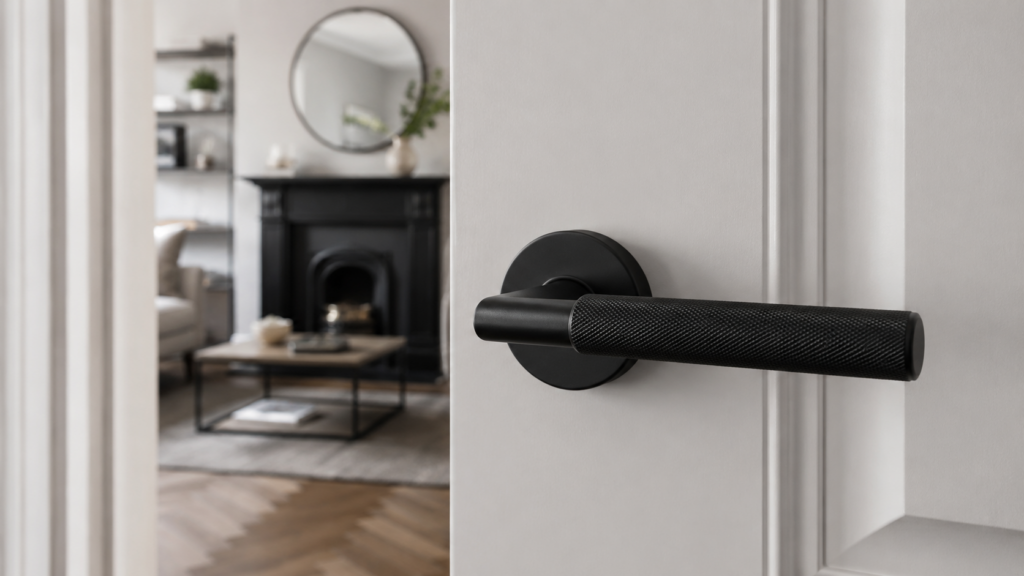
Door furniture, plays a key role in both the function and look of internal doors. Door handles, hinges and latches might seem minor, but they play a surprisingly important role in perceived quality.
Cheap chrome handles on premium doors can instantly undermine the finish.
Simple upgrades like:
- Matte black handles
- Satin brass hardware
- Antique brass finishes for a warm, sophisticated look
- Lever handles as a user-friendly and stylish alternative to traditional doorknobs
- Consistent hinge finishes
- Soft-close latches
…can make doors feel noticeably more expensive without dramatically increasing cost.
It’s the same principle as kitchen hardware… the tactile details matter.
So, which internal doors add the most value?
If we’re talking about the best balance of practicality, buyer appeal and long-term value, these are usually the strongest performers:
- Solid core doors: For quality and sound reduction
- Glazed internal doors: For light flow and perceived space
- Prefinished oak doors: For warmth, durability and a consistent finish
- White shaker doors: A simple panelled door for broad, timeless appeal
- Matching fire doors: For safety and consistency
- Industrial-style room dividers: Choose bi fold doors or sliding doors as a more modern feature upgrade, French doors for a more traditional feel.
Ultimately though, and we’ve said it many times in this post, the biggest value comes from consistency and quality rather than chasing trends.
A home where every door feels solid, fits properly and works together visually will almost always feel more premium than one filled with mismatched statement pieces.
Internal doors might not be the flashiest renovation project, but they influence how your home feels every single day. They affect light flow, noise levels, layout, how you use your home and first impressions far more than most people realise.
And because they appear in almost every room, upgrading them can create a ripple effect throughout the entire house.
The good news is that you don’t necessarily need ultra-luxury designs to create that impact. Often, the best value comes from choosing well-made new doors that suit the style of the home and improve how the space functions long-term.
In other words, buyers may not walk into a house and say “great doors!”… But they absolutely notice when the whole place feels better because of them.