Understanding Pocket Doors
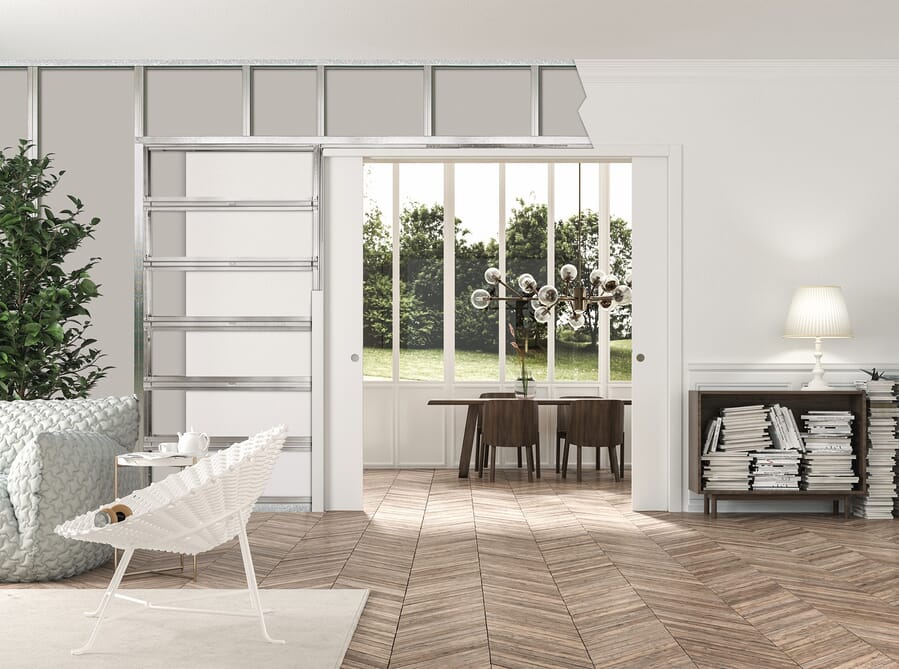
First things first, what are pocket doors? Pocket doors are essentially sliding doors that glide horizontally into a compartment, or "pocket", within the wall when opened, rather than swinging open like a hinged door. While a new concept to some, they’ve been a stylish feature since the 19th century and like regular sliding doors, pocket doors have become a popular choice in recent times because of the numerous benefits they offer. Space-saving by nature, they’re perfect for creating flow between rooms and giving your living space that open-plan feel - which is why they work so brilliantly in modern interiors. Because they're available as a single pocket door or double pocket doors, they’re also perfect for spaces like walk-in wardrobes, bathrooms and utility rooms. Basically, you can really make the most of how pocket doors operate with any interior doorway that leads to a small space.
Is retrofitting pocket doors a good idea?
Before retrofitting a pocket door system, there’s a few things that need to be considered, but that definitely doesn't mean it's a bad idea. Structural considerations such as finished wall thickness and load-bearing capacity are crucial, as a pocket door frame needs sufficient space within the wall cavity for installation. Things such as utilities like electrical wiring and plumbing may need to be moved before fitting the pocket door system. Preserving the architectural integrity of the house and compatibility with existing decor are also essential considerations to make. Ask yourself, will a pocket door actually fit the style of home?
How hard is it to install a pocket door in an existing wall?
Installing a pocket door into an exisiting wall will inevitably be a more challenging job than installing one in a new house, where they can be factored into the build from the ground up. Here’s 4 of the biggest challenges you’re likely to face and how you might overcome them:
1. Structural Modifications
Retrofitting pocket doors may need structural modifications to accommodate the door frame and track system within the wall. This could involve cutting into the wall and reinforcing the structure. Solution Always hire an accomplished professional contractor or carpenter with experience in retrofitting pocket doors. They can assess the structural requirements, make necessary modifications and ensure that the installation meets building regulations and safety standards such as the government's Approved Document M, which covers access to and use of buildings.
2. Wall Depth and Thickness
Pocket door systems require a sufficient wall thickness and depth to accommodate the door panels when they slide into the wall cavity. Older homes with thinner or shallow walls may not have enough space to install a pocket door without compromising structural integrity and proper operation. Solution If the wall isn’t thick enough, it may mean removal and rebuilding is required. Doing this will mean you’re able to get the exact thickness needed to accommodate the pocket doors. If the depth of the wall isn’t enough to house the whole of the door panel, consider using a telescopic pocket door system that requires less wall depth (but more thickness). These systems use multiple slimmer door panels that slide and overlap each other, allowing for a wider opening without the need for a deep wall cavity.
3. Electrical and Plumbing Obstacles
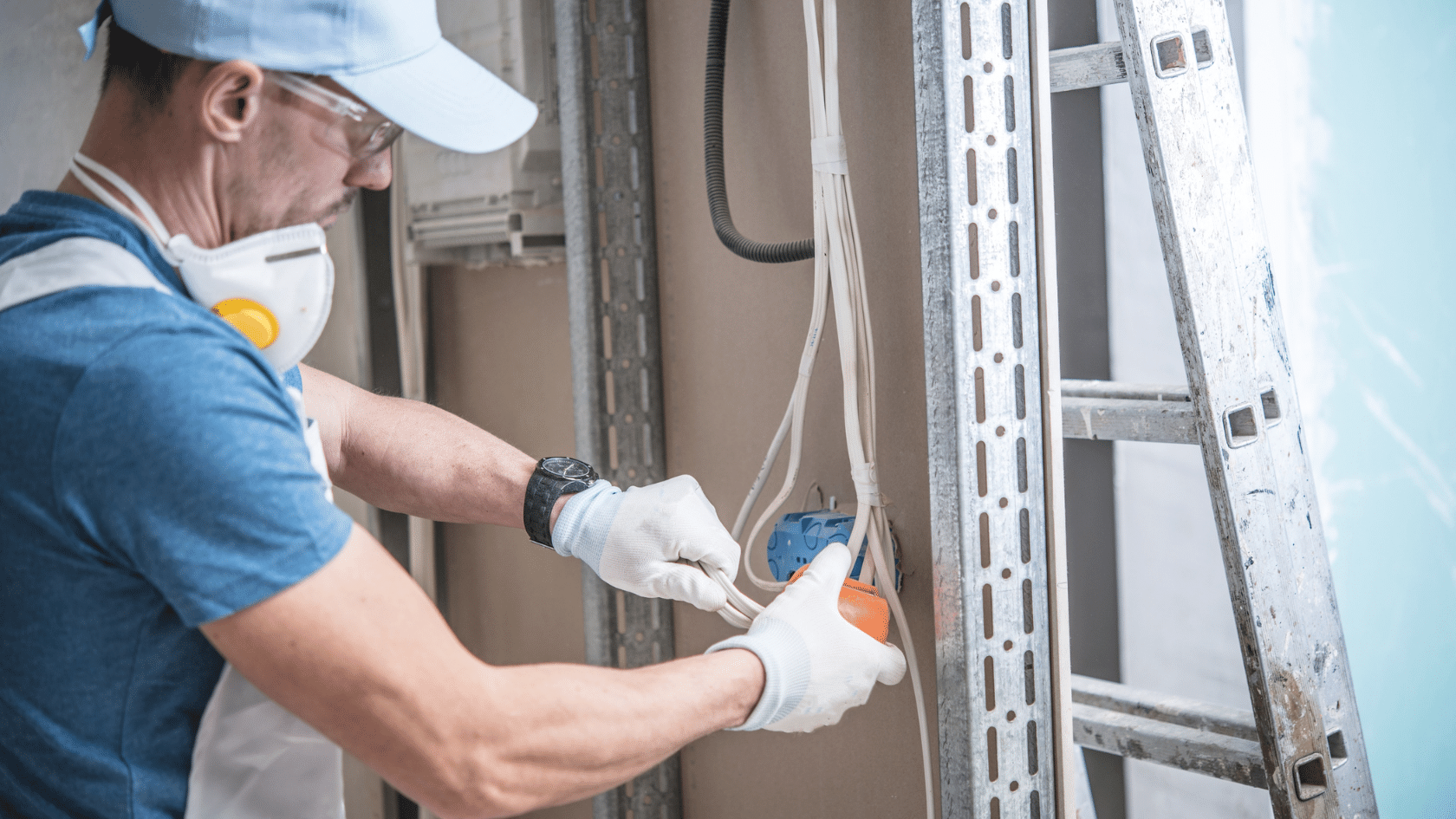
Existing electrical wiring, plumbing pipes, and to a lesser extent in the UK, HVAC ductwork within the wall cavity can be problematic when retrofitting. These obstacles may need to be relocated or rerouted to make space for the pocket door framework and track system. Solution Work with a licensed electrician, plumber, or HVAC technician to assess the location of obstacles and determine the best course of action. They can reroute wiring, pipes or ducts to clear the path for the pocket door installation.
4. Door Alignment and Operation
Putting anything new into an old structure can be difficult and retrofitting pocket doors requires precise installation to ensure proper alignment and smooth operation. Poor installation can result in doors that stick, jam, or aren’t flush when closed. Solution Hire a professional installer who is experienced in working with pocket door systems. They can ensure that the door frame, track, hardware are installed correctly for smooth and reliable operation.
Budgeting and Cost Considerations
Budgeting when retrofitting pocket doors needs to be carefully considered for things such as material costs, labour costs and total project estimates. Costs can quickly spiral out of control if things arise that you weren’t expecting, so be sure to factor every little nut and bolt into your budget and maybe even allow for contingency funds as a buffer. At a very basic level, material costs include pocket door kits, hardware, door panels and finishes, while labour costs should cover professional installation fees and any additional structural modifications as needed. Getting quotes from contractors and suppliers that are familiar with retrofitting pocket doors will help you compare costs and plan accordingly, but remember, the cheapest quote isn’t always going to be the right one. Make sure the quote is thoroughly broken down based on the work that needs doing and seek out reviews and recommendations of each company to help you make a fully informed decision so you don’t end up with any big surprises.
The Pocket Door Retrofitting Process
Retrofitting pocket doors begins with an initial evaluation and planning phase, and we highly recommend consultation with a professional contractor or architect who’ll be able to guide you through the assessment and fitting process. To give you a better understanding of what the process entails, here’s a basic rundown of what to expect when retrofitting pocket doors:
- Step One: Assess the Wall Structure: Firstly, determine if the wall where you plan to install the pocket door is suitable for retrofitting. Check for any obstacles such as electrical wiring, plumbing pipes, or structural elements that may need to be relocated or modified.
- Step Two: Plan the Installation - Measure the opening where the pocket door will be installed and select a pocket door kit that fits the dimensions of the opening. Consider the door size, track system, and hardware options that best suit your needs and preferences.
- Step Three: Cut the Opening: - Use a stud finder to locate the studs in the wall space and mark the outline of the opening for the pocket door. Carefully cut away the wall to create the opening according to the dimensions specified in the instructions.
- Step Four: Install the pocket door frame - Assemble the pocket door framework according to the manufacturer's instructions and secure it in the opening using screws or nails. Ensure that the frame is level, plumb and securely anchored to the surrounding stud wall.
- Step Five: Install the Door Panels - Attach the door panels to the rollers or track system included in the pocket door kit. Hang the door panels on the track and adjust them as needed to ensure smooth operation and proper alignment.
- Step Six: Finish the Wall - Once the pocket door frame and door panels are installed, patch any holes or gaps in the wall around the opening. Finish the wall with plasterboard or plaster, sanding and painting as needed to blend seamlessly with the surrounding wall surface.
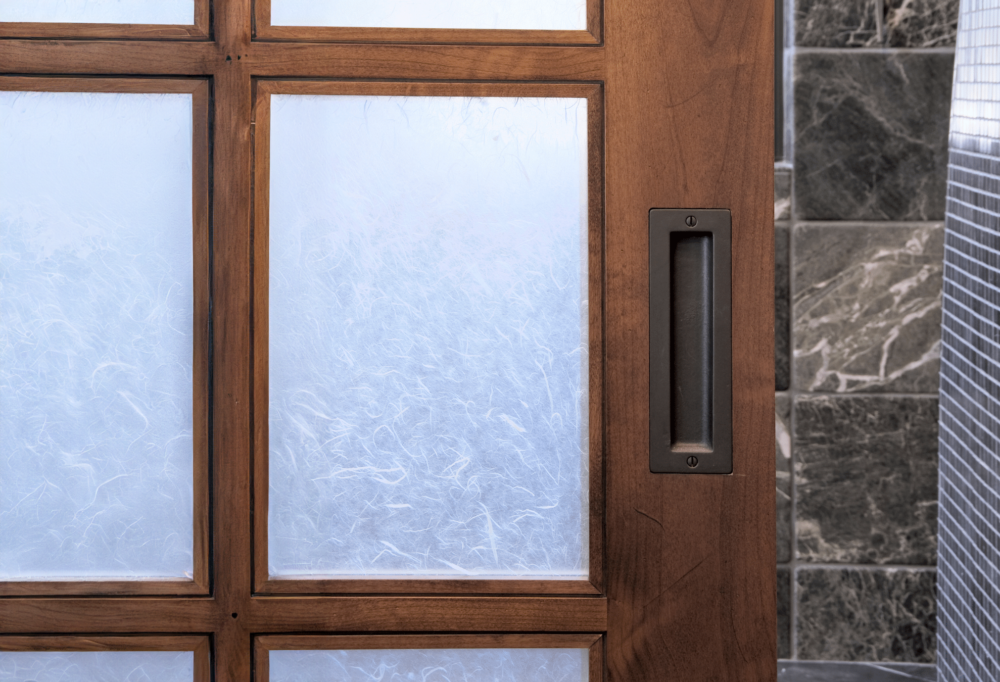
- Step Seven: Install Hardware and Accessories - Install any hardware, such as door handles, locks, and pulls, as well as any accessories included with the pocket door kit, such as soft-close mechanisms or guides for smooth operation.
- Step Eight: Test the Operation of the Doors - Test the operation of the pocket door by opening and closing it several times to ensure that it moves smoothly and operates correctly. Make any necessary adjustments to the hardware or track system to achieve optimal performance.
Now it's time to enjoy them!
 The Benefits and Advantages of Retrofitting Pocket Doors
Despite the challenges of retrofitting, pocket doors offer numerous benefits. Here’s just a handful of reasons why we believe they’re worth the extra work:
Space-Saving Design
Optimising space is a huge one. As pocket doors slide neatly into a compartment, or "pocket," within the wall when opened, rather than swinging open like traditional hinged doors, it eliminates the need for clearance space needed by swinging doors - making the most of the usable floor area in both rooms. By sliding into the wall cavity, pocket doors make efficient use of otherwise unused wall space, too. This is particularly beneficial in areas where space is limited or where furniture placement needs to be a major consideration. Pocket doors provide greater flexibility in room layout, too. They allow for more versatile furniture arrangements and can help create more functional living spaces by dividing large rooms and allowing for privacy when needed.
A More Joined-Up Living Space
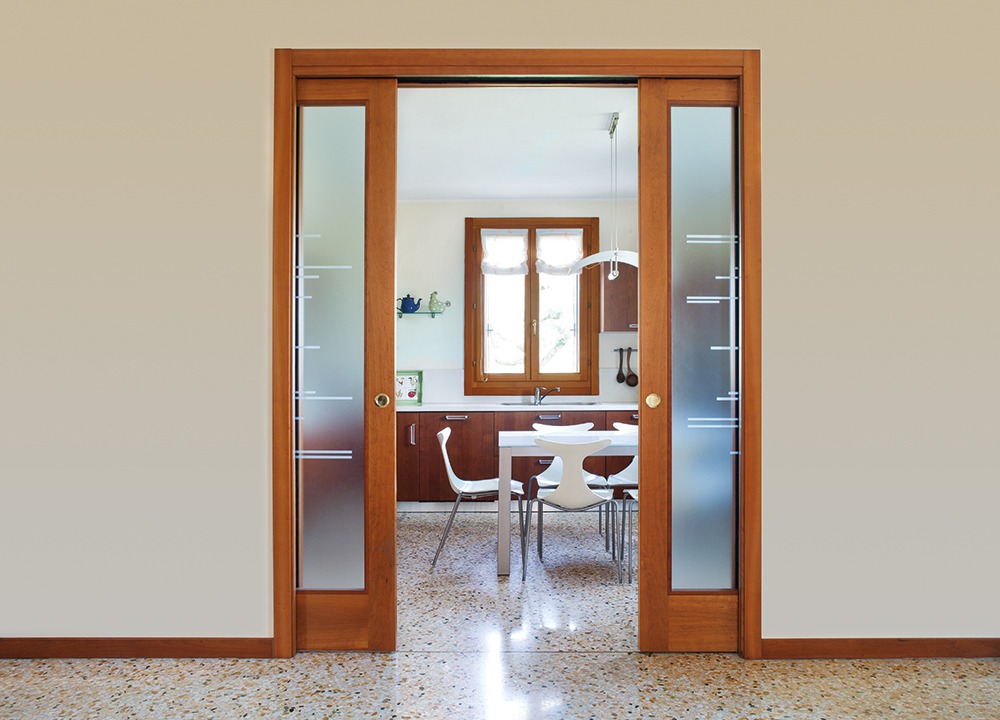
Despite being a Victorian creation, pocket doors are perfect for adding a modern twist to older homes as a stylish design element. But aesthetically, they offer so much more beyond that. They’re perfect for creating a more joined-up interior by “removing” the visual barriers created by traditional swinging doors. The cleaner flow between rooms can really improve the perception of space - which is especially useful if you have a smaller home. In areas where glazed pocket doors can be used, they can really help increase natural light penetration between rooms. This creates a brighter and more inviting atmosphere while reducing the need for artificial lighting during the day - saving you money on electricity in the long run.
Improved Accessibility
If you’re someone that struggles with mobility, pocket doors can be a total game changer as they can allow for wider openings than standard doors when fully opened. This allows for easier passage for individuals using mobility aids or those who require extra space to navigate comfortably. As pocket doors are designed to glide smoothly along a track system, it makes them super easy to open and close with minimal effort too. This smooth operation is particularly beneficial for individuals with limited strength or mobility in their hands and arms. Unlike traditional hinged doors, pocket doors don’t swing out or typically have protruding parts like door handles either, which can obstruct pathways or pose a hazard to individuals with mobility challenges. This makes them a safer and much more accessible choice for everyone in the household.
 Reshaping Your Home With Pocket Doors
Installing a pocket door into an older home can be a challenge, but it’s also super rewarding for those wanting to change up their living space. With careful planning, expert guidance and a commitment to quality craftsmanship, pocket doors can be transformative, not only can they improve how you use your home but also what it looks like. By understanding what retrofitting pocket doors entails, the considerations you’ll need to make, and the time and financial costs involved, you can move onwards with confidence. Knowing you’re investing in an alteration that will not only improve your home but truly improve your quality of life too, it really does make all the hard work worthwhile! —----------------- Have more questions about retrofitting a pocket door system? Get in touch with our friendly internal door experts who are always on hand to help.

 Order Helpline:
 Search
 Email
Email Cart (0)